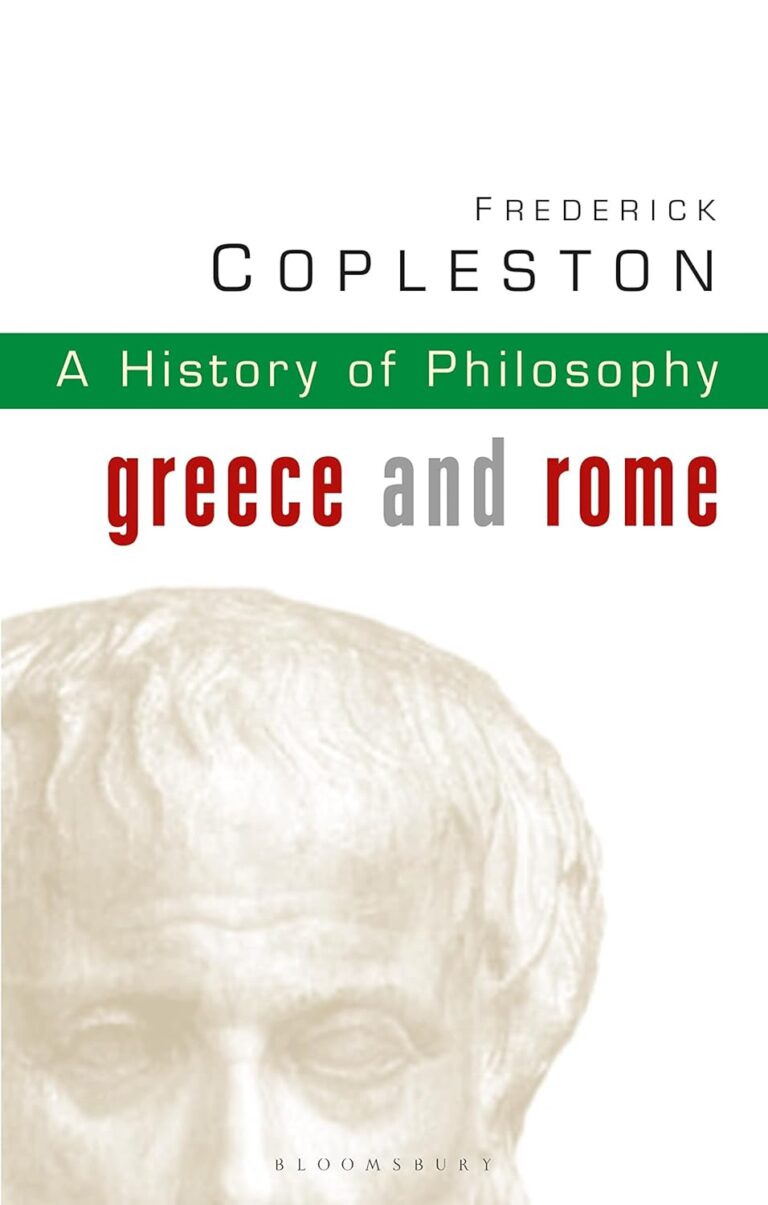
Tracing the birth of Western thought through the minds of philosophers, statesmen and mystics, A History of Philosophy: Greece and Rome explores the intellectual foundations of ancient civilization with clarity and depth. Frederick Copleston guides readers from the Pre socratics to Plato, Aristotle, the Stoics and Neo platonists, revealing how questions of reality, morality, reason and existence shaped the philosophical legacy that continues to influence theology, politics and modern life.
Hands down the best for introduction!
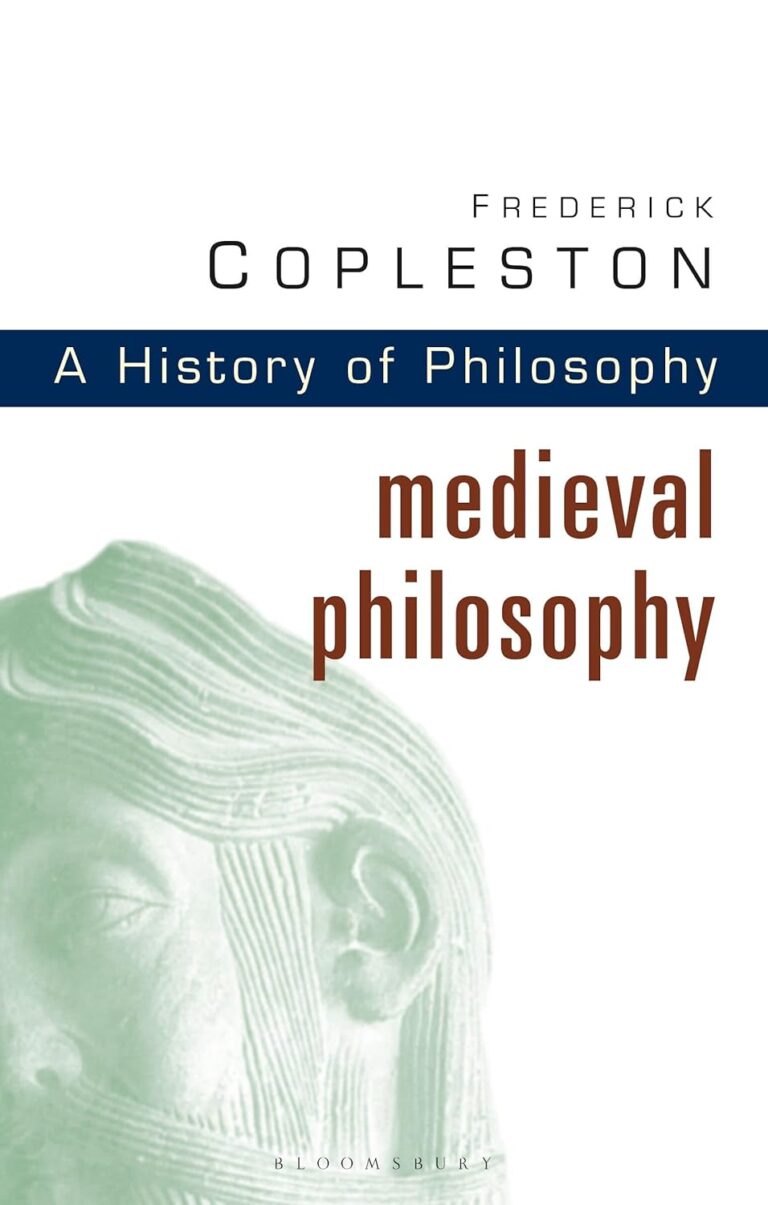
Set against the rise of Christianity and the collapse of the ancient world, A History of Philosophy: Medieval Philosophy examines the thinkers who united faith, reason and metaphysics during the medieval era. Frederick Copleston again explores the intellectual worlds of Augustine of Hippo, Thomas Aquinas, Anselm of Canterbury and Islamic plus Jewish philosophers, showing how medieval thought shaped theology, logic, ethics and the foundations of Western philosophical tradition.
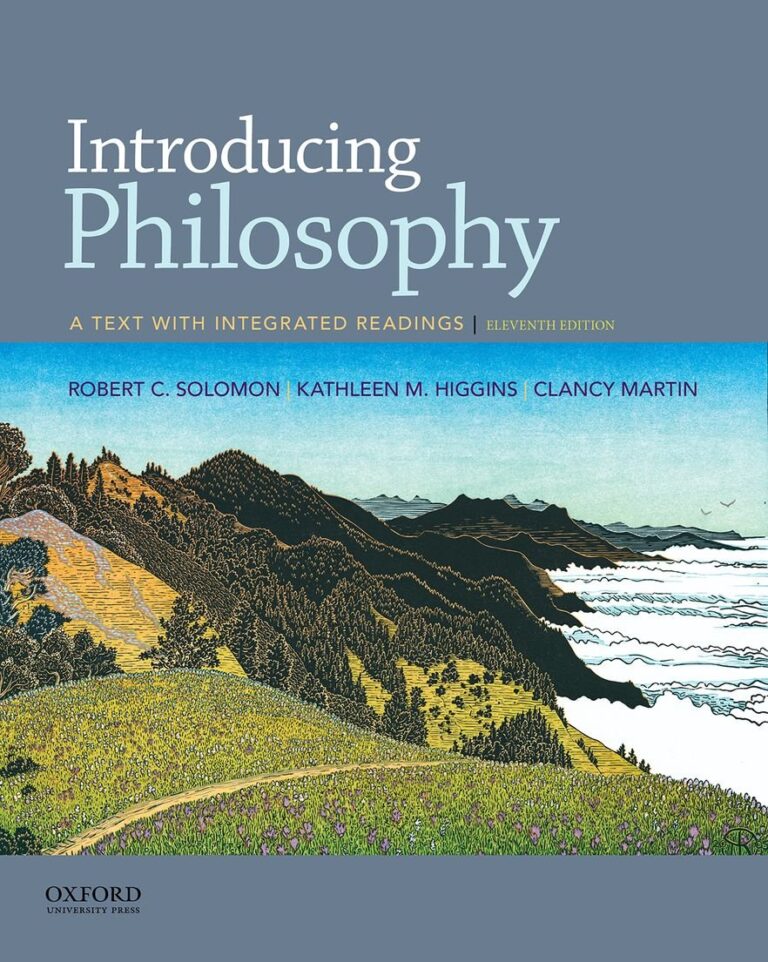
Introducing Philosophy: A Text with Integrated Readings invites readers into our oldest and most deep questions. Robert C. Solomon combines clear explanations with classic philosophical readings spanning over two millennia, exploring reality, God, truth, freedom, knowledge and the nature of the self. Very approachable, the book serves as both an introduction to philosophy and a like conversation with the intellectual traditions that shaped human thought.
(Another good intro book)
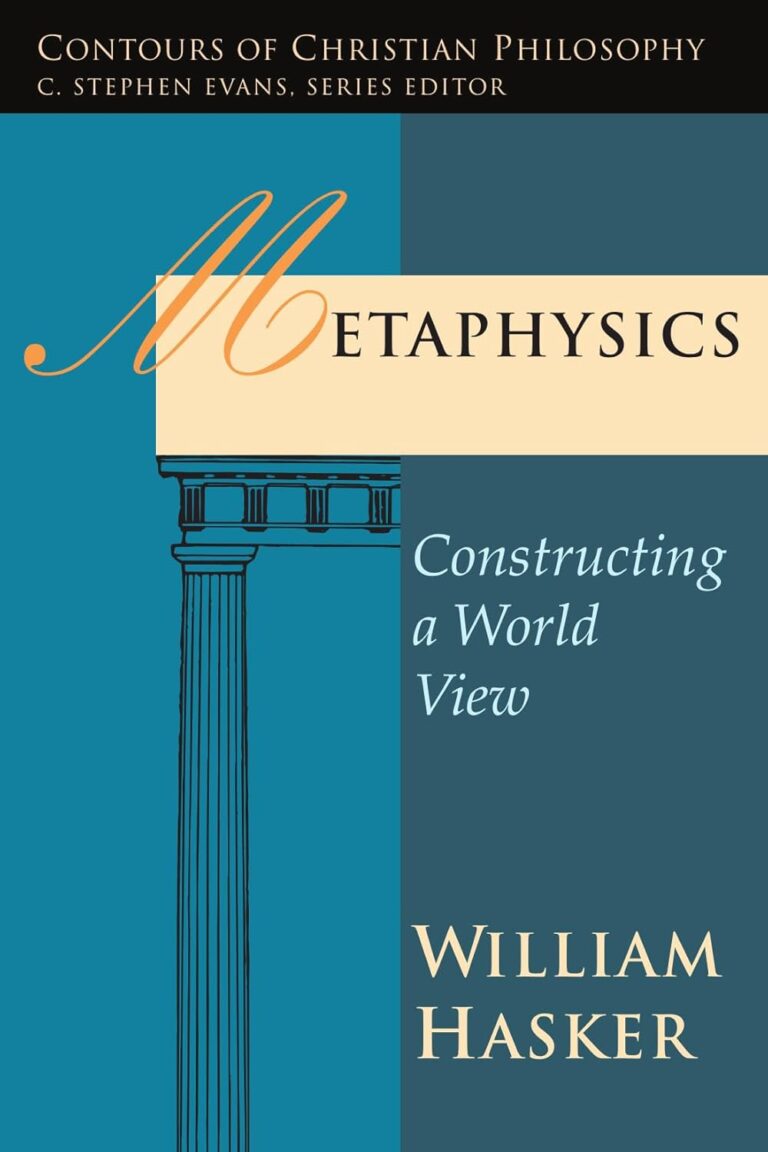
Exploring the basic fundamental questions that shape every worldview: Metaphysics examines reality, God, consciousness, freedom and human identity through clear philosophical analysis. William Hasker guides readers through competing perspectives on the nature of existence, the mind and soul, and human freedom, helping them construct a coherent understanding of the universe and humanity’s place within it.
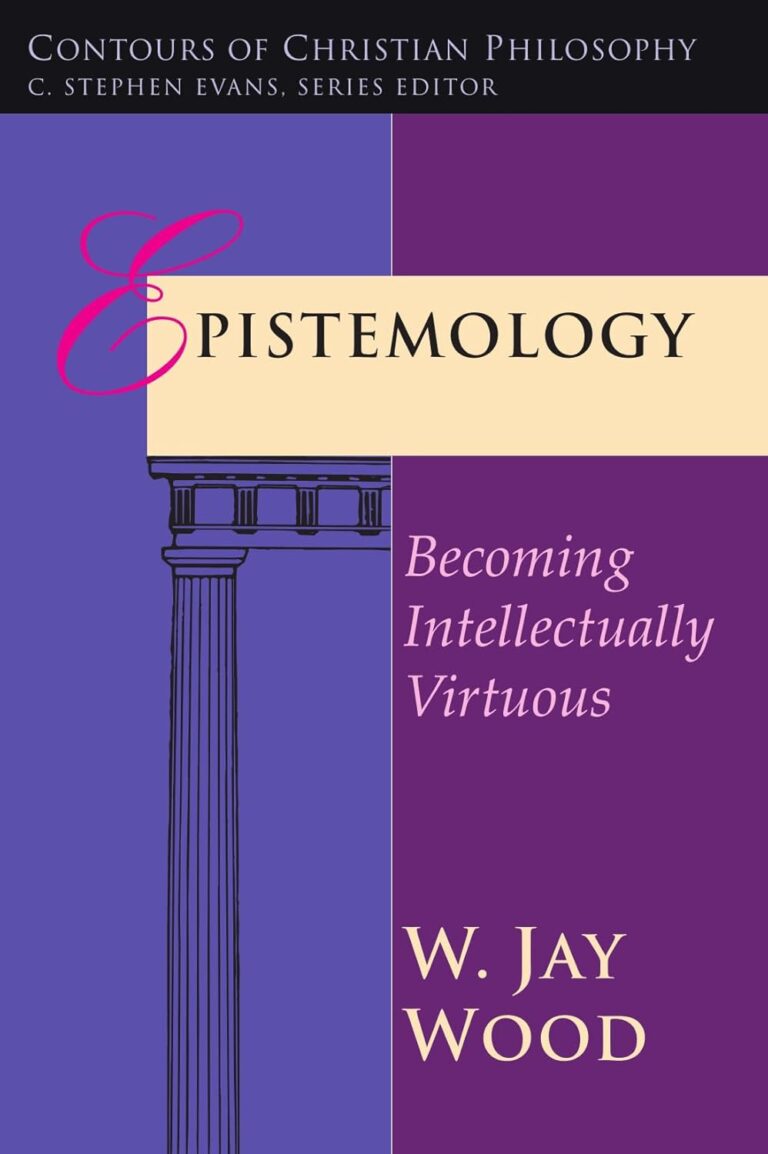
Centered on the timeless question of how human beings acquire and justify knowledge, Epistemology offers a clear and engaging introduction to contemporary theories of knowledge and belief. Jay Wood explores intellectual virtues, foundationalism, reliabilism, epistemic justification and the relationship between knowledge, emotion and religious belief. Accessible yet philosophically rigorous, the book bridges abstract epistemological ideas to everyday human experience and critical thinking.
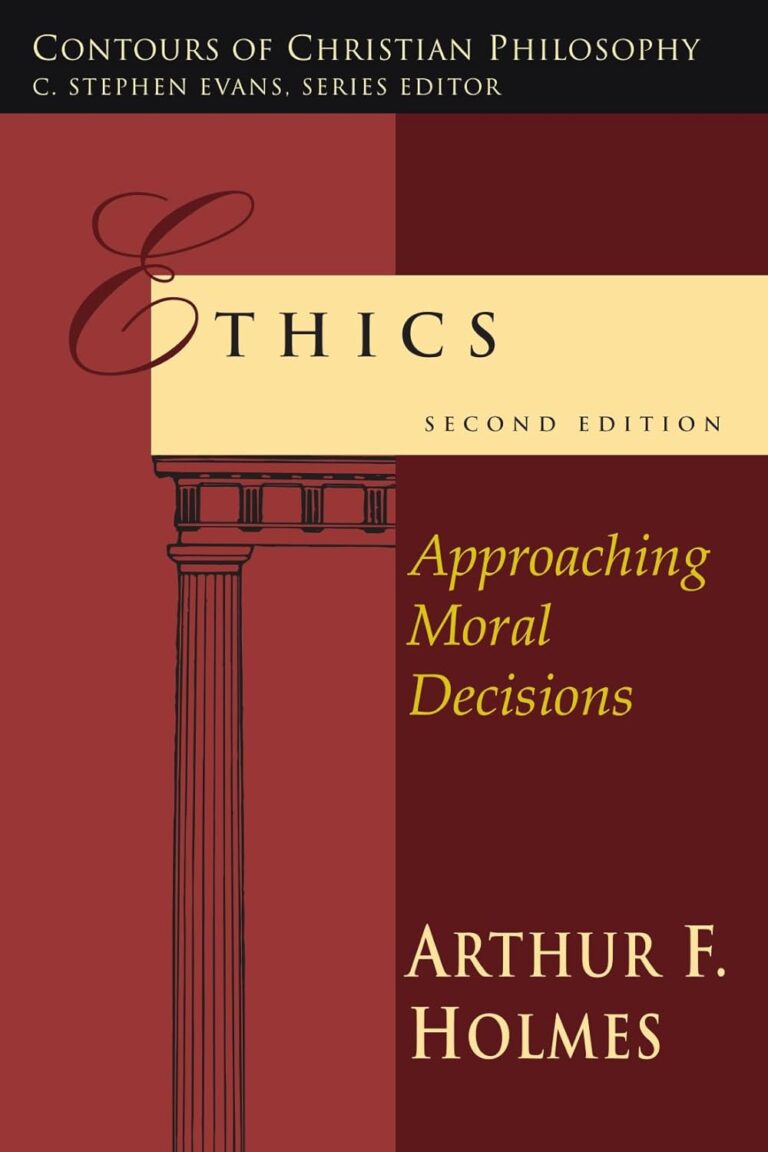
For decades, Ethics has remained a respected introduction to philosophical ethics from a human perspective. Arthur Holmes explores moral questions surrounding goodness, truth and human responsibility while engaging major ethical theories such as utilitarianism, relativism, emotivism, egoism and virtue ethics. Thoughtful and academically grounded, the book connects classical ethical reflection with the challenges of contemporary and postmodern moral philosophy.
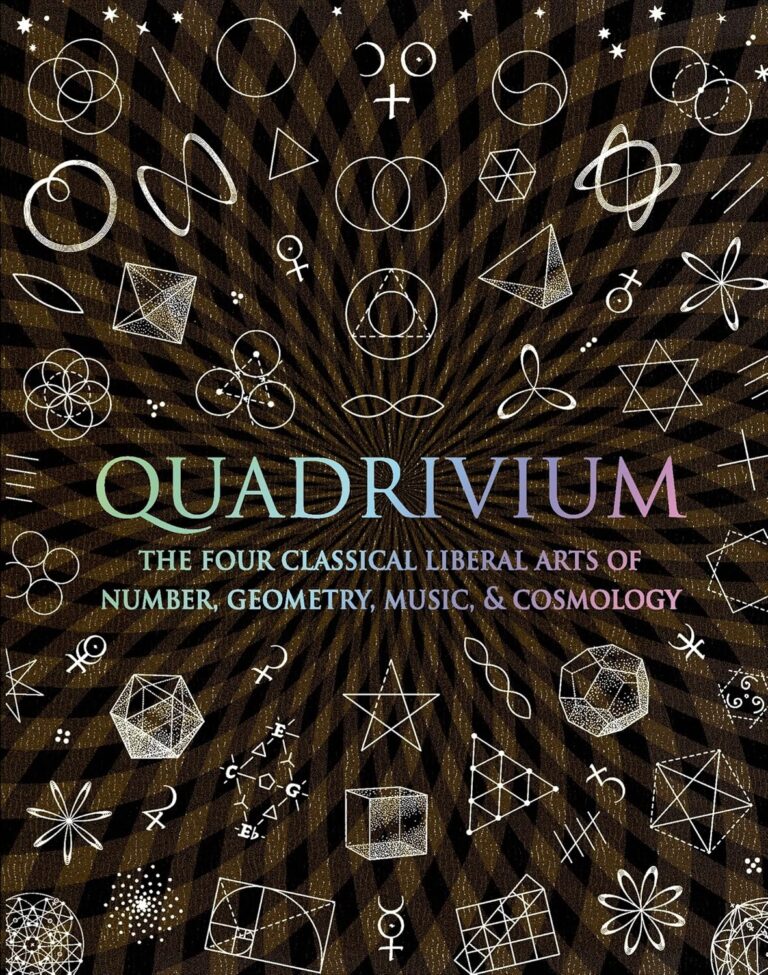
Quadrivium is rooted in the ancient tradition of the Liberal Arts & explores the interconnected disciplines of number, geometry, music and cosmology as pathways to understanding reality itself. Influenced from classical and Renaissance thought, the book presents mathematics, harmony, space and the cosmos as timeless metaphysical principles underlying both beauty and scientific inquiry. This is a forgotten intellectual tradition that once stood at the heart of higher learning.
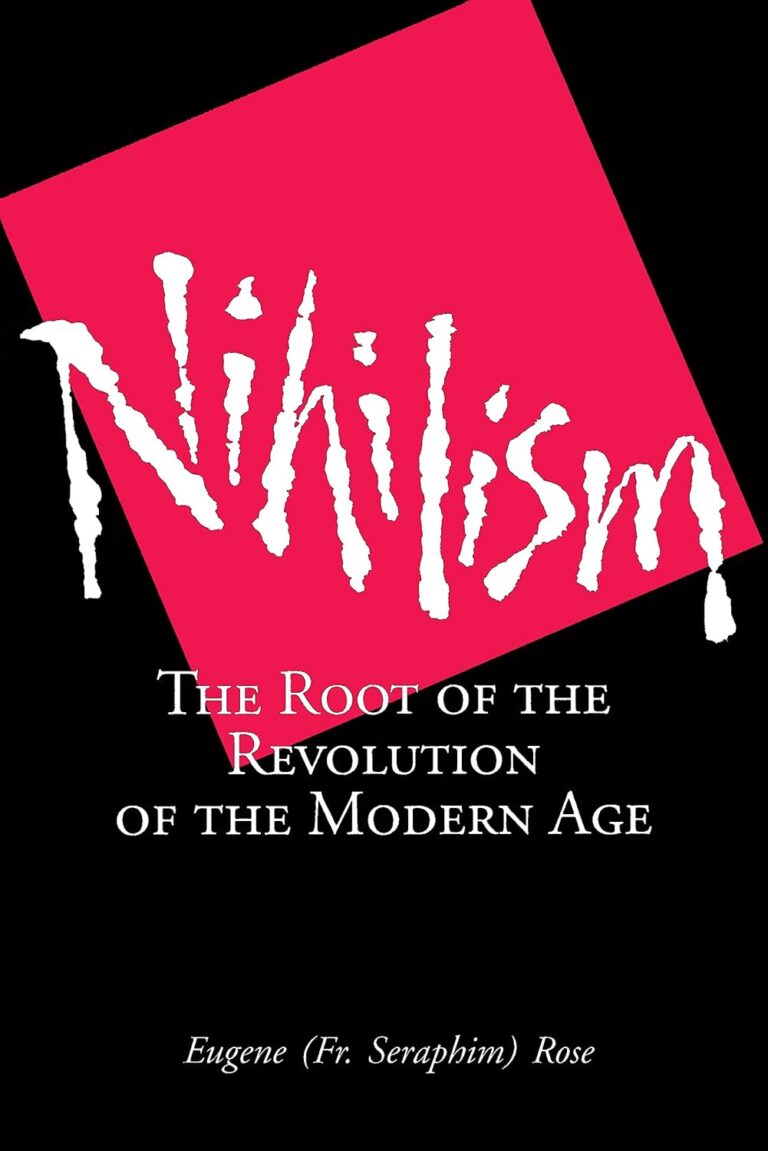
Written in the midst of the spiritual and intellectual upheaval of the modern world, Nihilism: The Root of the Revolution of the Modern Age presents a stark critique of moral relativism and the collapse of absolute truth in contemporary society. Seraphim Rose traces the rise of nihilistic philosophy through modern culture, politics & arguing that the rejection of transcendent truth inevitably leads to spiritual emptiness, social disorder, and moral disintegration. This is an echoing warnings of Friedrich Nietzsche & the work remains a powerful and unsettling reflection on the spiritual crisis of modern civilization.
Rooted in the philosophical legacy of René Descartes initially, Epistemology introduces readers to the central problems surrounding knowledge, certainty and justification. Laurence BonJour moves from classical foundations to modern challenges against traditional theories of knowledge, encouraging students not merely to study epistemology but to actively engage in its ongoing debates. Analytical yet understandable, the book develops critical thinking while helping readers through the evolving view of contemporary epistemological thought.
Challenging the materialist view that consciousness is merely a byproduct of brain chemistry, The Mind and the Brain argues that the human mind possesses genuine causal power over the physical brain. Drawing on an research into neuroplasticity, Jeffrey M. Schwartz and Sharon Begley explore how focused thought, mindfulness and intentional mental effort can reshape neural pathways, particularly in the treatment of OCD and other neurological disorders. Blending neuroscience, philosophy and psychology, the book presents a compelling case for free will, moral agency and the transformative power of conscious attention. (Some scientific informations might be outdated)
A forceful critique of modern secularism and the “New Atheist” movement, The Last Superstition challenges the popular claim that science has rendered religion obsolete. Rooting heavily from the philosophical traditions of Aristotle and Thomas Aquinas, Edward Feser argues that the conflict is not between science and religion but between classical teleology and the mechanistic worldview of modern philosophy. Engaging figures such as Richard Dawkins, Daniel Dennett, Sam Harris and Christopher Hitchens, the book contends that reason, morality, consciousness and even science itself ultimately depend upon metaphysical foundations modern materialism cannot adequately explain. Ed Feser is a genius!!