In The Unseen Realm, Michael Heiser explores Scripture’s supernatural worldview, revealing overlooked biblical themes and mysterious passages through ancient context. The book examines divine beings, spiritual powers, the Nephilim and hidden dimensions shaping biblical narratives. Dr.Heiser presents complex ideas with clarity, encouraging readers to rethink familiar texts, deepen their understanding of God and discover a transformative perspective on Scripture.
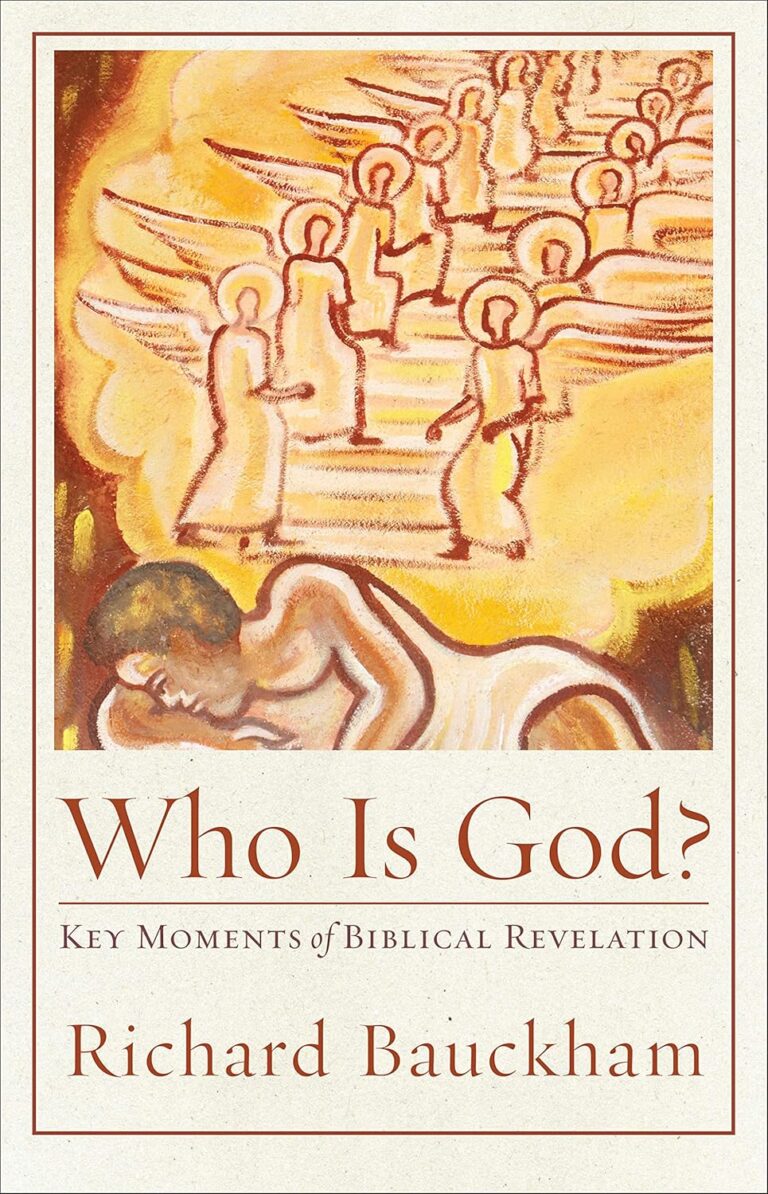
In Who Is God? Richard Bauckham examines how Scripture reveals God through pivotal biblical events. From Jacob’s dream and Moses’s encounters with God to the revelation of the Trinity in Mark’s Gospel, Bauckham connects themes across the Old and New Testaments. Clear yet profound, the book offers readers a compelling exploration of God’s presence, name, character and nature.
In Two Powers in Heaven, Alan F. Segal explores the origins of the “two powers” belief within early Judaism and its influence on Christianity, Gnosticism and mystical traditions. Drawing from rabbinic evidence, Segal argues this doctrine shaped Jewish responses to early Christianity. The book remains a great contribution to New Testament, Jewish and Gnostic scholarship.
Dictionary of Deities and Demons in the Bible is a great scholarly resource examining the gods, angels, demons, spirits and divine beings found throughout biblical literature. Compiled by more than 100 leading scholars, the volume provides detailed historical, linguistic and theological analysis across 400+ entries, making it a great reference for biblical and ancient Near Eastern studies.
Note- Written from a critical scholarly perspective rather than an evangelical one, the work may challenge readers unfamiliar with academic biblical criticism, yet its depth and specialized research remain exceptional
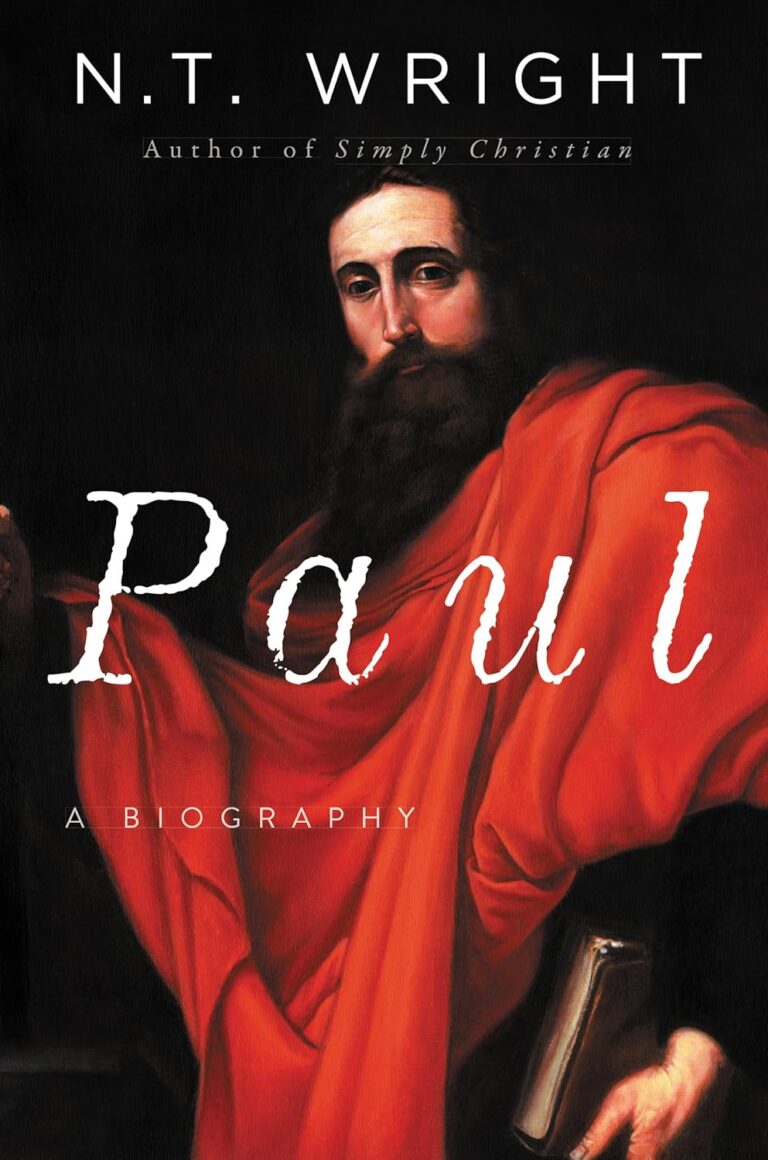
Blending historical scholarship with engaging biography, Paul presents the apostle Paul as a deeply Jewish thinker whose life and mission reshaped world history. N.T Wright explores Paul’s intellectual, theological innovation and transformative influence on early Christianity offering readers a new perspective on his writings, humanity and impact on Christian thought and history.
This is widely regarded as a classic introduction to Eastern Orthodox thought. The Mystical Theology of the Eastern Church combines rigorous scholarship with deep spiritual insight. Vladimir Lossky presents Eastern Christianity as a living mystical tradition where doctrine and spiritual experience are inseparable, while also highlighting the major theological distinctions between Eastern and Western Christian traditions and their significance for ecumenical dialogue.
(This was my introduction to Eastern Orthodoxy)
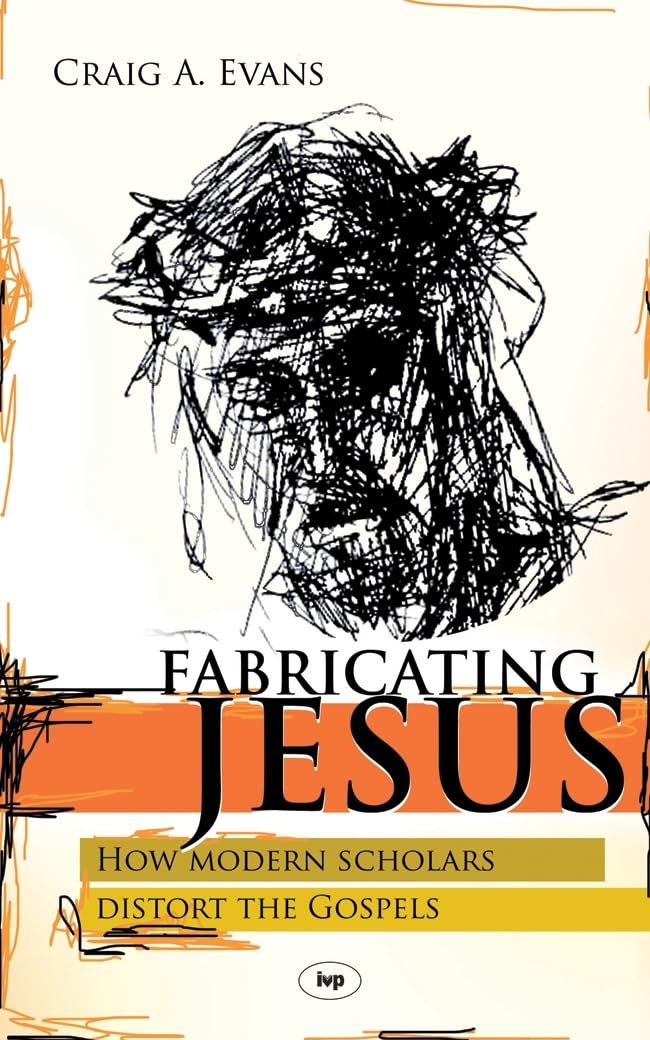
Controversial works such as The Da Vinci Code, Misquoting Jesus, The Jesus Papers, and The Gospel of Judas have stirred modern debates about the historical Jesus. In response, Fabricating Jesus examines how sensational scholarship and media narratives often distort the Gospel accounts. Craig A. Evans explores textual history, ancient sources, Gnosticism and historical methodology offering readers a balanced and academically grounded perspective on Jesus studies.
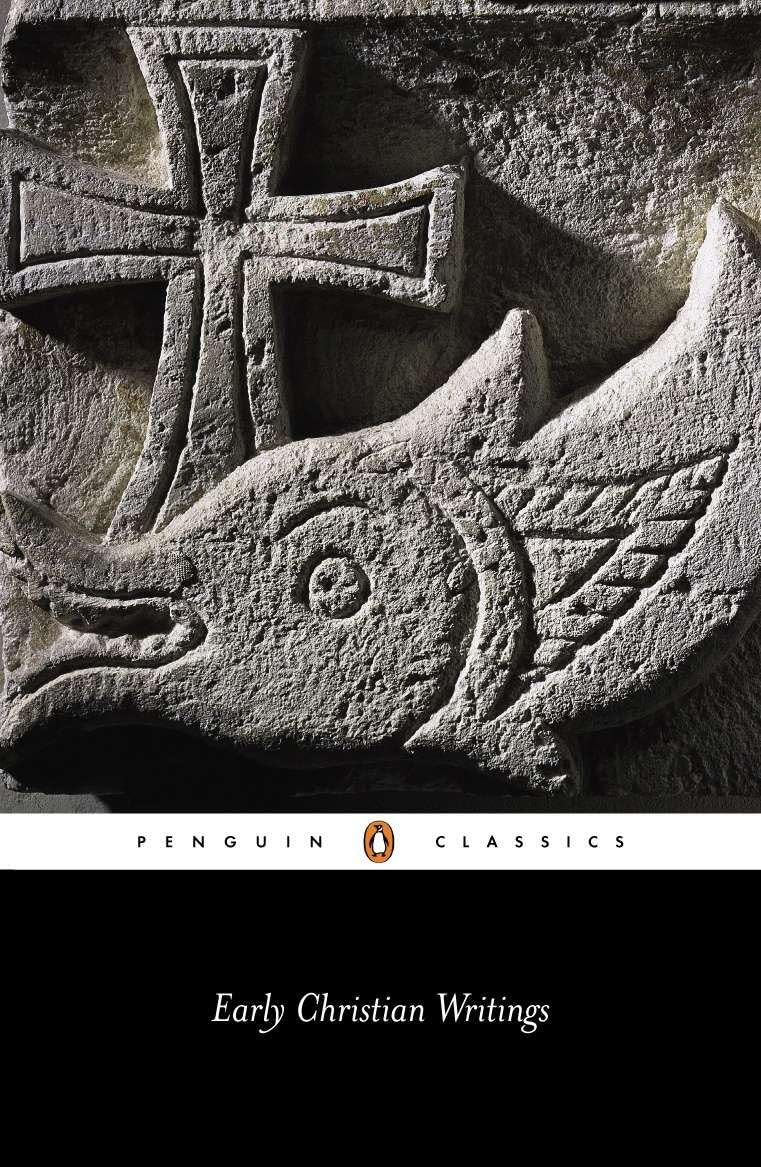
Offering a rare glimpse into the earliest generations of Christianity, Early Christian Writings gathers influential texts from the Apostolic Fathers, many believed to have known the Apostles personally. The volume includes The Didache, The Epistle of Barnabas, and the letters of Ignatius of Antioch, Polycarp, and Clement of Rome. Together, these writings illuminate the theology, organization and Jewish roots of the infant Church during its beginning years.
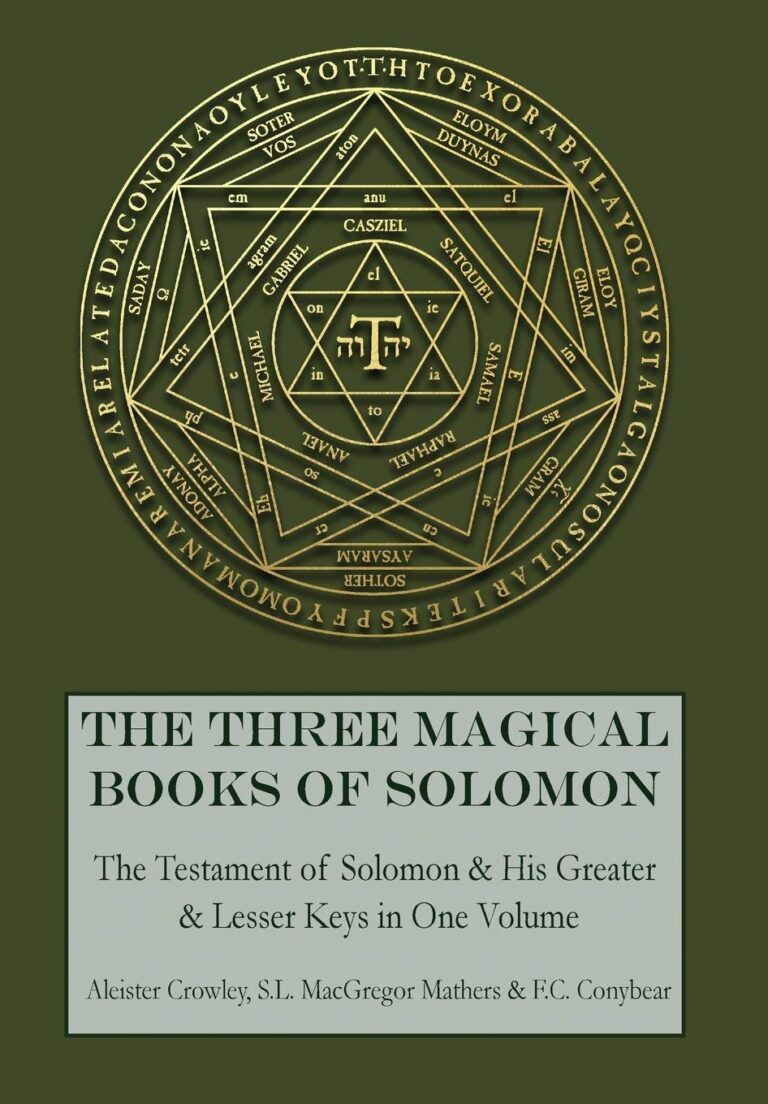
Shrouded in ritual, secrecy and forbidden knowledge "The Key of Solomon the King, The Lesser Key of Solomon and The Testament of Solomon" dives into the shadowed world of ceremonial occult and demonic invocation. These infamous grimoires claim to preserve ancient rites used by King Solomon to command spirits, bind demons and uncover hidden powers through sacred seals, cryptic symbols and forbidden incantations. Expanded through the work of occult figures such as S. L. MacGregor Mathers and Aleister Crowley, the collection remains one of the most influential and unsettling foundations of Western esoteric and occult tradition.
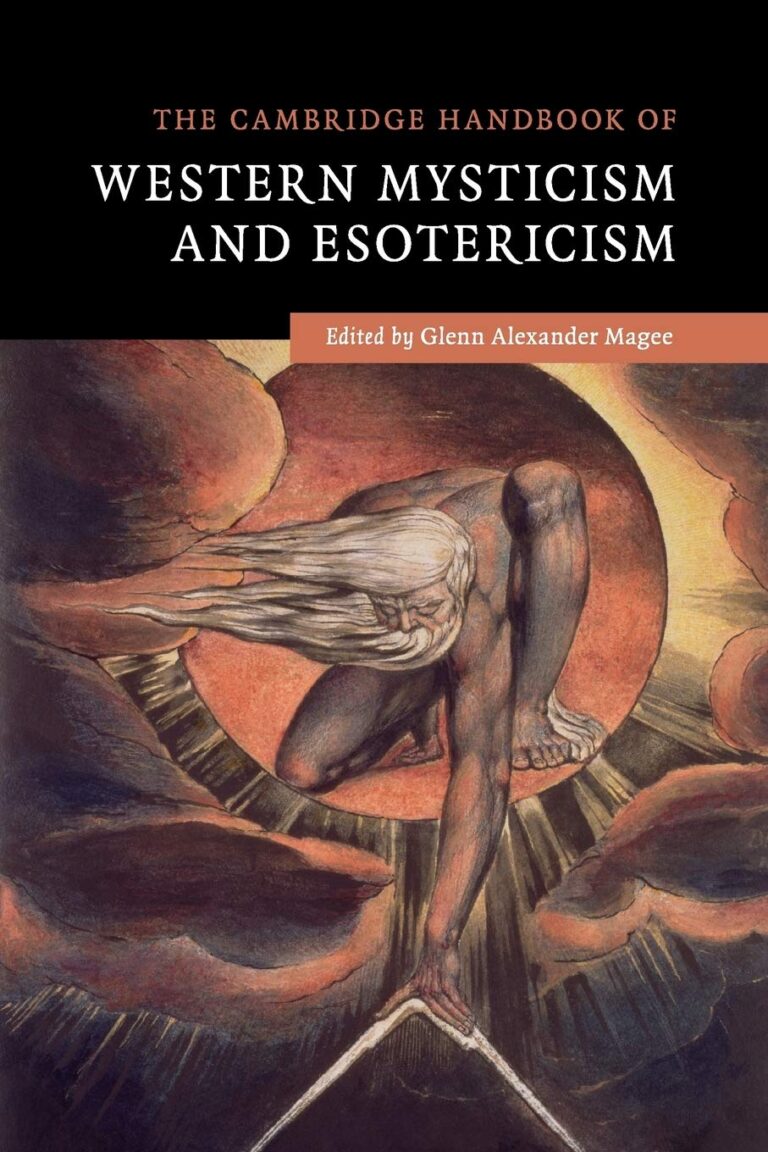
The Cambridge Handbook of Western Mysticism and Esotericism explores the deep connections between Western mysticism and esotericism, traditions often studied separately despite their shared roots. Featuring contributions from leading scholars, the book examines subjects including alchemy, astrology, Kabbalah, Hermeticism, Freemasonry and Christian theosophy. Scholarly yet comprehensive, it presents mysticism and esotericism as interconnected thoughts of Western religious, philosophical, and occult thought across history.
In Understanding Spiritual Warfare, Sam Storms explores the biblical reality of Satan, demons and spiritual conflict in contemporary Christian life. Combining Scripture, practical guidance and real life testimonies, the book equips readers to understand spiritual warfare, resist demonic oppression and experience healing, freedom and victory through Jesus Christ. It does provide some good insights