THE THREE MAGICAL BOOKS OF SOLOMON
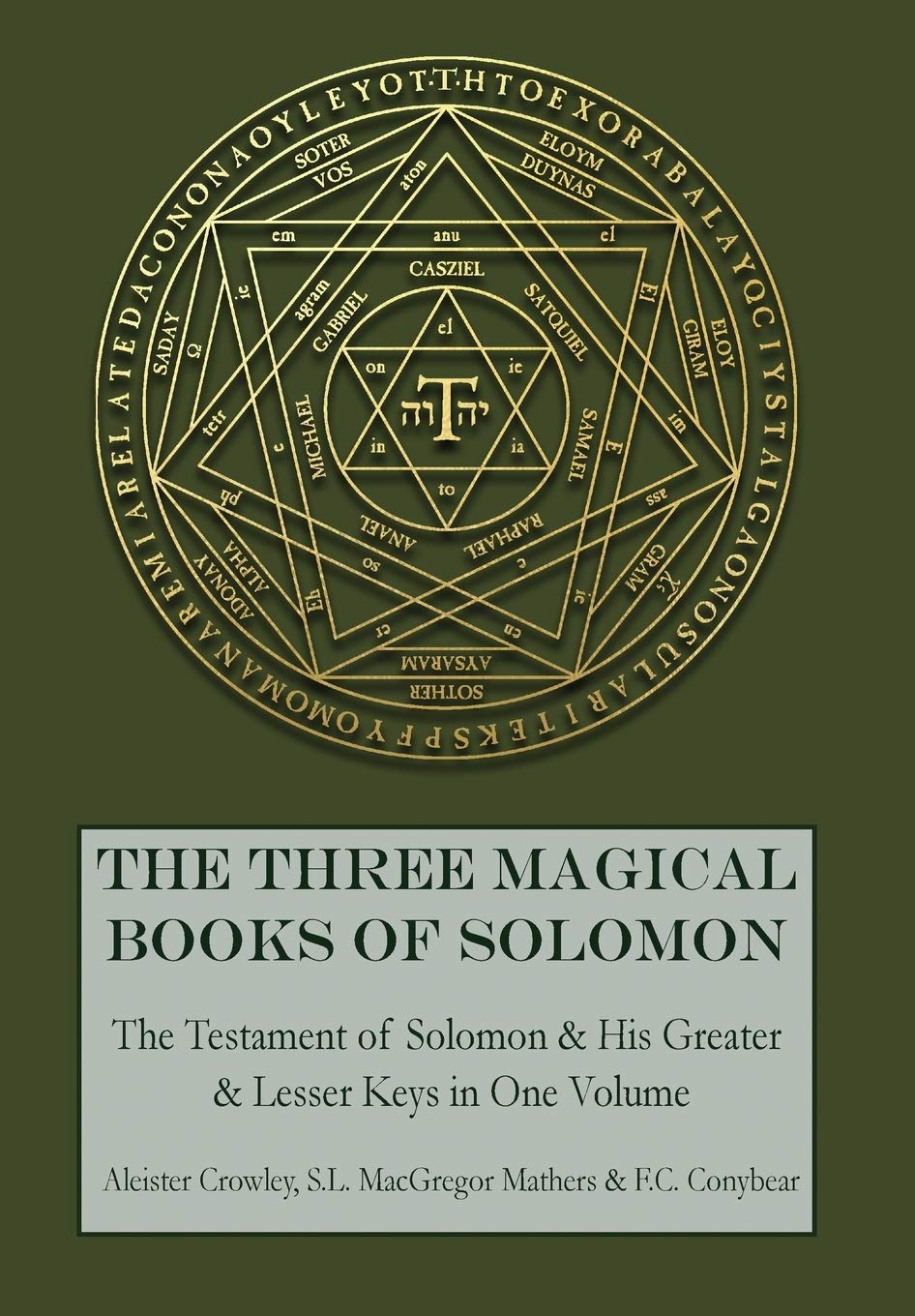
TRANSLATORS – ALEISTER CROWLEY, S.L. MACGREGOR, F.C CONYBEAR
GENRE – Occult
YEAR PUBLISHED – 2017
PAGE COUNT – 282
READABILITY- Easy
MY RATING – 4.6/5
What to expect?
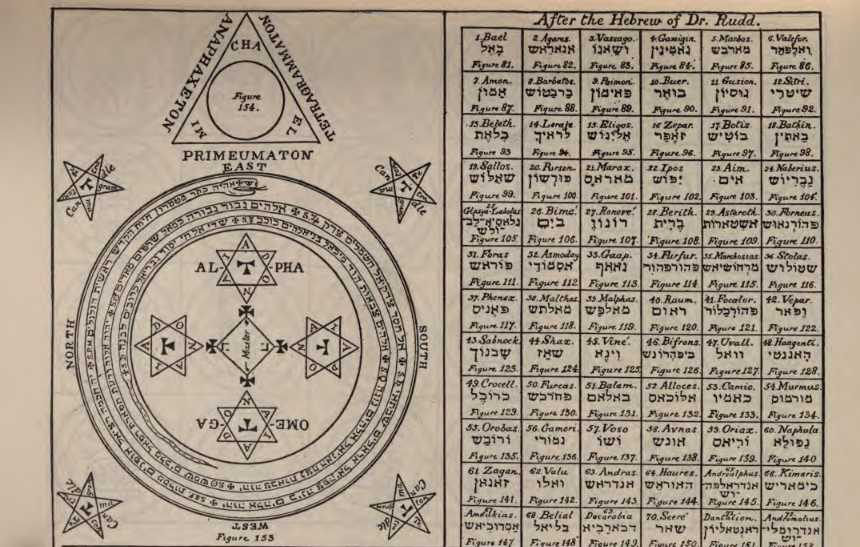
- List of 72 demons & its sigils
- The attributes of demonic beings over humanity
- Invocation Spells, Rituals, Necromancy, Black Arts, Witch Craft
- The origin of Solomonic Demonology
Attributed to the biblical King Solomon (alleged), these texts have circulated in various forms for centuries passing through the hands of medieval monks, Renaissance magicians, Victorian occultists & now Hollywood screenwriters. This edition collects all three major works in one volume for the first time, making it the single reference to a body of literature that has quietly influenced Western occultism, demonology & popular culture more deeply than most people realize.
The Greater Key of Solomon
The Greater Key, translated by S.L. MacGregor Mathers from ancient manuscripts held in the British Museum lists & describes a variety of purifications an exorcist should undergo with instructions given on clothing, magical devices & even animal sacrifices. Divided into two books, Book One explains the operation of conjurations, curses, spells & other magical works while Book Two instructs the practitioner on proper attire, purification rituals & other means of obtaining the goals of the Goetia.
The Greater Key elaborates the ritualistic practices that’s deeply embedded in Jewish Kabbalistic tradition but the fact that it was considered authoritative enough to be banned by the Catholic Church, copied in secret by clergy & studied by some of the sharpest minds of the Renaissance. It is in essence, a manual for commanding what it calls divine & demonic forces through ritual precision. The idea being that Solomon’s legendary wisdom gave him authority over the spirit world that could theoretically be replicated by anyone willing to follow the procedures exactly.
The Lesser Key of Solomon: The Goetia
This is the section that has had the most direct influence on modern culture. The Lesser Key of Solomon or the Clavicula Salomonis Regis,or Lemegeton is a compilation of materials & writings from ancient sources making up a textbook of magic or grimoire with portions traceable back to the mid of 16th to 17th centuries when occult researchers such as Cornelius Agrippa & Johannes Trithemius assembled what they discovered during their investigations into ancient texts.
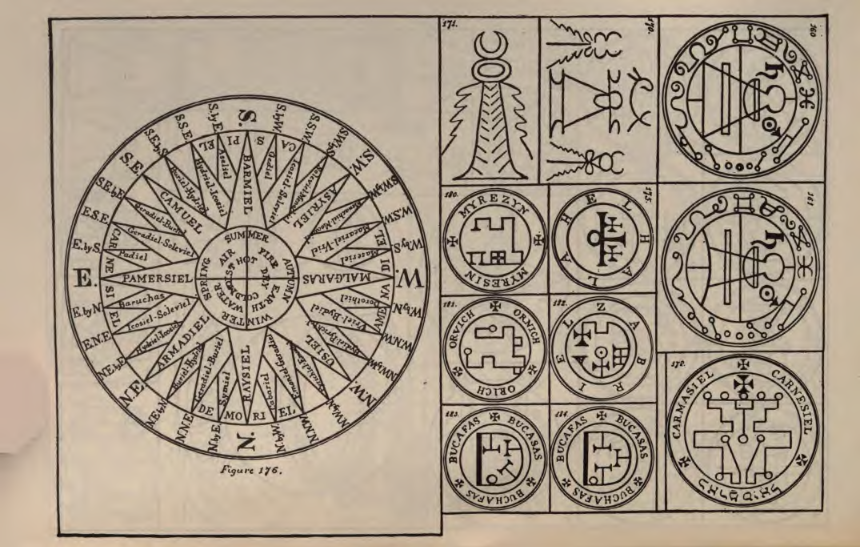
Its most infamous section “The Goetia” contains the names, ranks, seals & attributes of 72 demons each described with details. Bael, Paimon, Asmodeus, Belial, Amon, Belphegor etc. these are not vague evil spirits but named entities with specific domains of power, specific numbers of legions under their command & specific methods for summoning & binding them. The Goetia reads less like mythology & more like a classified military directory of an invisible hierarchy.
The edition published by Mathers and Crowley in 1904 claimed in its preface that a Secret Chief of the Rosicrucian Order had directed the completion of the book. Aleister Crowley who’s infamously referred as the ‘most notorious occultist of the 20th century’ added his own preface and commentary to the Goetia.
The Testament of Solomon
Written in the first person narrative, the Testament tells the story of the creation of the magical ring of King Solomon & how it was used to bind & control demons including Beelzebub. It is the oldest of the three texts with roots in early Jewish & Christian apocryphal literature. Solomon is depicted here not as a wise king but as a sorcerer king who enslaved demons to build the Temple in Jerusalem. He interrogated them about their nature & weaknesses & recorded his findings for posterity. This piece of text shows the list of multiple demons & how they influence humanity. The theological implications of this narrative are effective & deliberately subversive. It takes figure known for his Wisdom in Jewish tradition & reframes him as the world’s first & greatest demonologist.
What happened to King Solomon in the end in the Canonical Jewish Tradition?
1 Kings: 11th Chapter:
King Solomon, however, loved many foreign women besides Pharaoh’s daughter: Moabites, Ammonites, Edomites, Sidonians and Hittites. They were from nations about which the Lord had told the Israelites, “You must not intermarry with them, because they will surely turn your hearts after their gods.” Nevertheless, Solomon held fast to them in love. 3 He had seven hundred wives of royal birth and three hundred concubines, and his wives led him astray. 4 As Solomon grew old, his wives turned his heart after other gods, and his heart was not fully devoted to the Lord his God. He followed Ashtoreth the goddess of the Sidonians, and Molek the detestable god of the Ammonites. 6 So Solomon did evil in the eyes of the Lord; On a hill east of Jerusalem, Solomon built a high place for Chemosh the detestable god of Moab, and for Molek the detestable god of the Ammonites. 8 He did the same for all his foreign wives, who burned incense and offered sacrifices to their gods.
This is probably why the text is ascribed to King Solomon as he was the one who built the Temple of Jerusalem but started worshipping other demonic entities in his final years.
Final Assessment
This is not a book for complete casual reading (Though I’m still skeptical of the origin & its alleged author being Solomon). It is a primary historical document simultaneously a window into medieval Jewish mysticism, Renaissance magic, Victorian occultism & the deep roots of modern popular demonology.
* This is for informational purposes only. I do not endorse, promote or encourage occult practices of any kind.