WHO IS GOD?
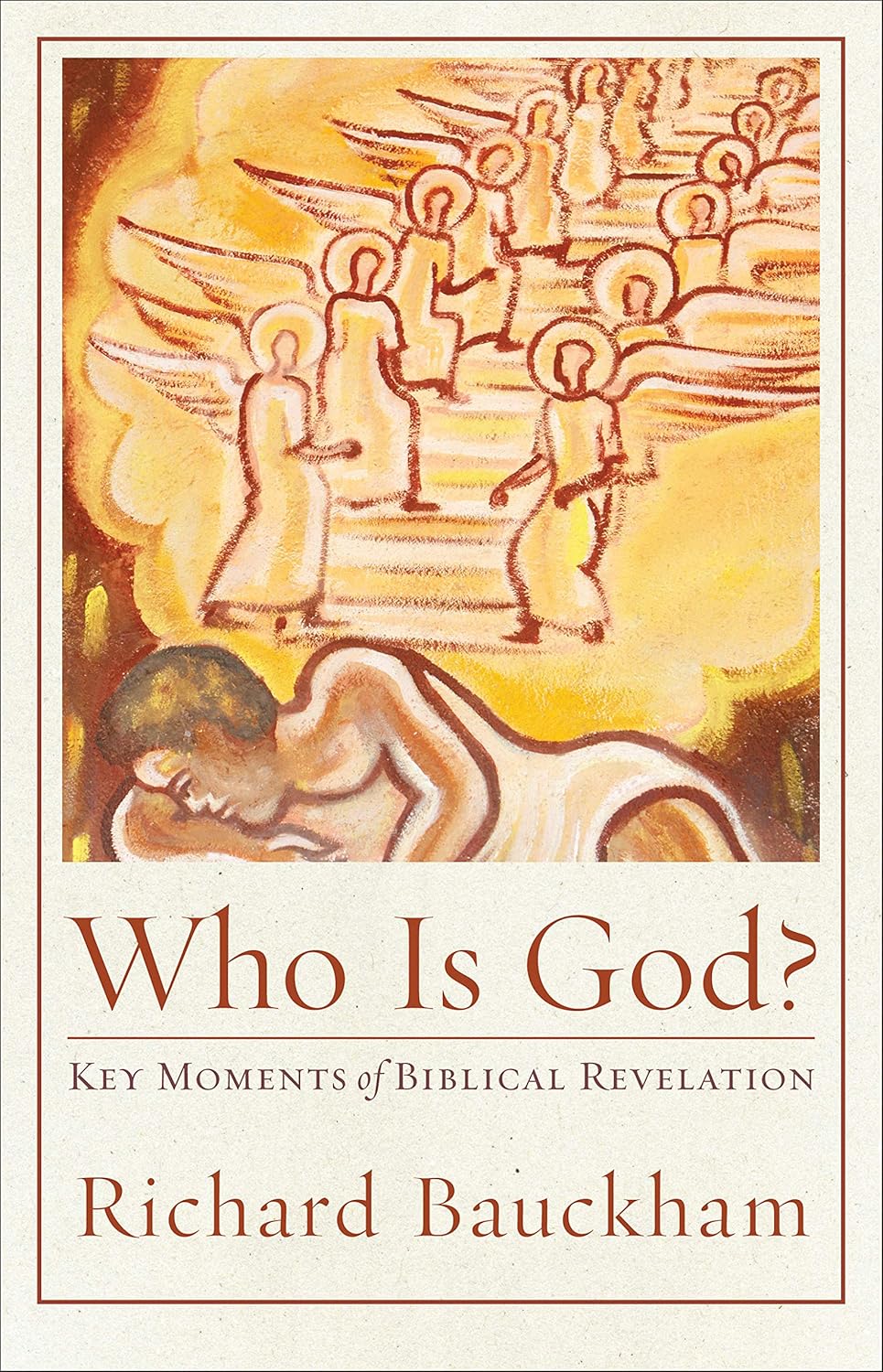
AUTHOR – Richard Bauckham
GENRE – Christian Theology
YEAR PUBLISHED – 2020
PAGE COUNT – 120
READABILITY- Easy
MY RATING – 4.6/5
What to expect?
- How God Revealed himself?
- What is God’s character?
- Trinitarian Revelation
The Geography of the Immanuel (Divine Presence)
The Book opens with the foundational promise of God’s proximity by tracking the life of Jacob & it beautifully unpacks the metaphor of God as a shepherd. A figure whose primary non negotiable duty is continuous, protective presence with the flock. Richard Bauckham brilliantly bridges this Old Testament reality to the New Testament through the concept of an inclusio in the Gospel of Matthew by framing the Gospel between the name “Immanuel” (God with us) at the beginning & Christ’s final promise (“I am with you always”) at the end. The text demonstrates that Jesus is not merely a messenger of the divine presence. He speaks & acts as that presence incarnate, echoing the ancient assurances given to the patriarchs.
The Mechanics of the Unspoken (The Divine Name)
In its second movement, the text tackles the enigmatic nature of the TETRAGRAMMATON (YHWH). It explains the historical mechanics of the text such as how the English capitalization of “LORD” denotes the sacred four letters. This is for reference before diving into the deeper theology of the Burning Bush. Here the text notes that God is revealed as “utterly self-determining,” defined entirely by Himself rather than by external forces. It also honors the historic weight of Jewish tradition regarding the Shema highlighting the profound reverence that kept the Name unspoken except by the High Priest on the Day of Atonement. Furthermore, Bacukham provides excellent insight into how Jesus respected this boundary by utilizing the “divine passive” (e.g. “they will be comforted,” implying God will comfort them) to speak of divine actions without casually invoking the hidden name.
Recalibrating the Narrative (The Divine Character)
One of the most vital sections of the book corrects a common contemporary misunderstanding. The false dichotomy that the Old Testament God is exclusively defined by vengeance & wrath. Using the aftermath of the Golden Calf crisis, the book highlights a pivotal moment where Moses asks to see God’s face. Because the unshielded glory of God’s face is lethal to mortal humans, God instead proclaims His character in a unique doubling of His name (“The LORD, The LORD”). The attributes revealed like mercy, grace, patience & steadfast love become the true definition of who He is. The text tracks this definition as it breaks out of Israel’s national borders through the narratives of Joel & Jonah showing that God’s compassion and readiness to relent from punishment extend universally to all humanity.
The Tearing of the Veil (The Revelation of the Trinity)
The final movement focuses on the Gospel of Mark, identifying a purposeful shift from traditional prophetic language. When Jesus is baptized, Mark notes that the heavens are “torn apart” which is a deliberate echo of Isaiah’s plea for a radical, physical irruption of divine power into the world. The book links this cosmic tearing directly to the crucifixion, where the heavy temple curtain is split from top to bottom. This parallelism signals a massive theological shift. God’s presence is no longer confined to a hidden earthly sanctuary or an unapproachable heaven. Instead, through the Trinitarian event of the Son’s sacrifice, the Holy Spirit’s descent & the Father’s voice, God becomes equally accessible to both Jews & Gentiles all over the world.
Conclusion
This book by Richard Bauckham is an invaluable asset to get introduced to who the Biblical God is. It manages to compress complex literary structures into clear, highly readable insights without losing their spiritual weight. It effectively reminds the reader that the Bible is not a collection of fragmented stories but a meticulously designed, unified revelation of a God who actively chooses to be known, to be present & to dwell among His creation.